
North African Migration Pressures and the Humanitarian Consequences of Climate and Conflict Spillover in Mid-2026

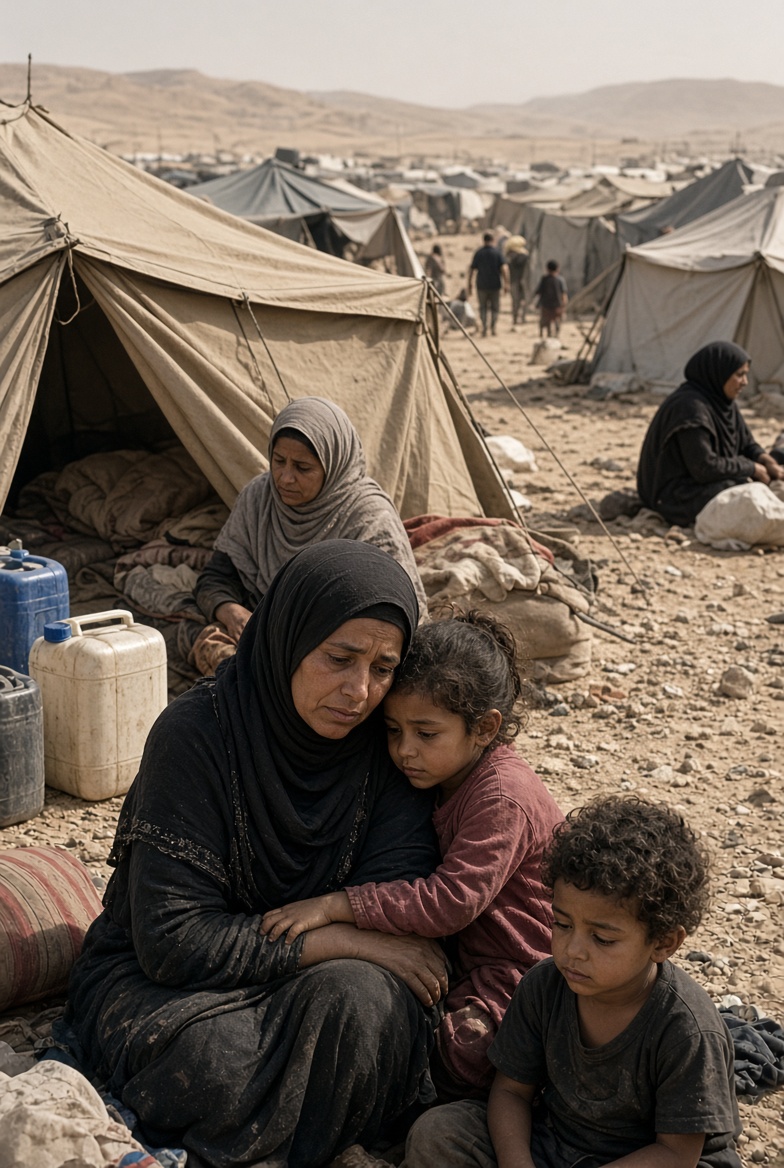
By mid-2026, irregular migration flows across the central Mediterranean and land borders of North Africa had intensified, driven by a combination of prolonged conflict spillover from Sudan, economic deterioration in parts of the Maghreb, and worsening climate-related stress. Libya, Tunisia, and eastern Algeria recorded elevated numbers of people on the move, including Sudanese refugees, sub-Saharan […]
Syrian Returns and the Limits of Humanitarian Stabilisation in 2026

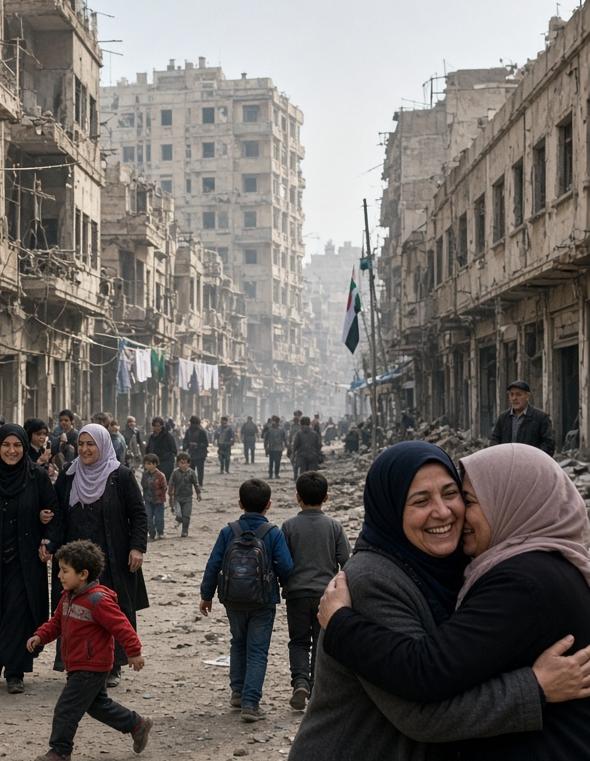
In the opening months of 2026, Syria witnessed a noticeable increase in spontaneous and facilitated returns of both internally displaced persons and refugees from neighbouring countries. While some areas in the west and centre of the country recorded relative security improvements, the humanitarian conditions facing returnees remained highly precarious. Large numbers of people found their […]

Libya’s Fragmented Governance and the Humanitarian Cost of Renewed Localised Conflict

Localised fighting in western and southern Libya intensified in the second half of 2025, particularly around key oil facilities and migration routes. Clashes between rival armed groups disrupted civilian movement and restricted access for humanitarian organisations in several municipalities. Displacement, though smaller in scale than in previous years, added pressure to already fragile host communities. […]

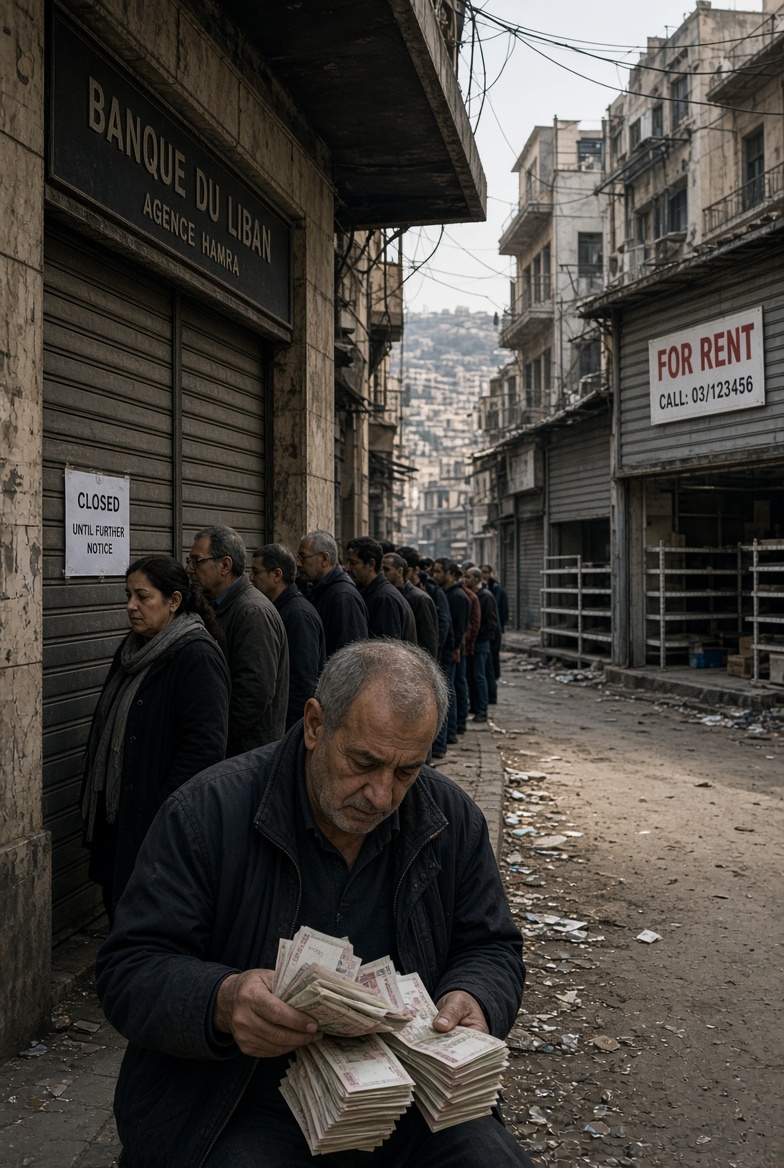
Lebanon’s Compounded Crisis: Economic Collapse, Displacement Pressures, and Regional Spillover

Between February and May 2025, Lebanon experienced a sharp deterioration in living conditions driven by currency collapse, fuel shortages, and the residual effects of earlier cross-border exchanges. Public services, already severely degraded, faced further strain as electricity supply fell to a few hours per day in many areas and hospital operations became increasingly dependent on […]

Syria After Assad: Can Political Transition Become a Humanitarian Recovery?

The fall of Bashar al-Assad has created an opening for Syria’s long-awaited political transformation. But the humanitarian consequences of the transition will depend on whether political change can be converted into security, services and sustainable conditions for return. The collapse of Bashar al-Assad’s government in December 2024 fundamentally altered Syria’s geopolitical landscape. After more than […]

Scroll to top