

When the whole world is silent,
even one voice becomes powerful
North African Migration Pressures and the Humanitarian Consequences of Climate and Conflict Spillover in Mid-2026
By mid-2026, irregular migration flows across the central Mediterranean and land borders of North Africa had intensified, driven by a combination of prolonged conflict spillover from Sudan, economic deterioration in…
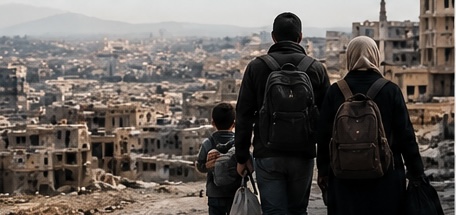
Syrian Returns and the Limits of Humanitarian Stabilisation in 2026
In the opening months of 2026, Syria witnessed a noticeable increase in spontaneous and facilitated returns of both internally displaced persons and refugees from neighbouring countries. While some areas in…
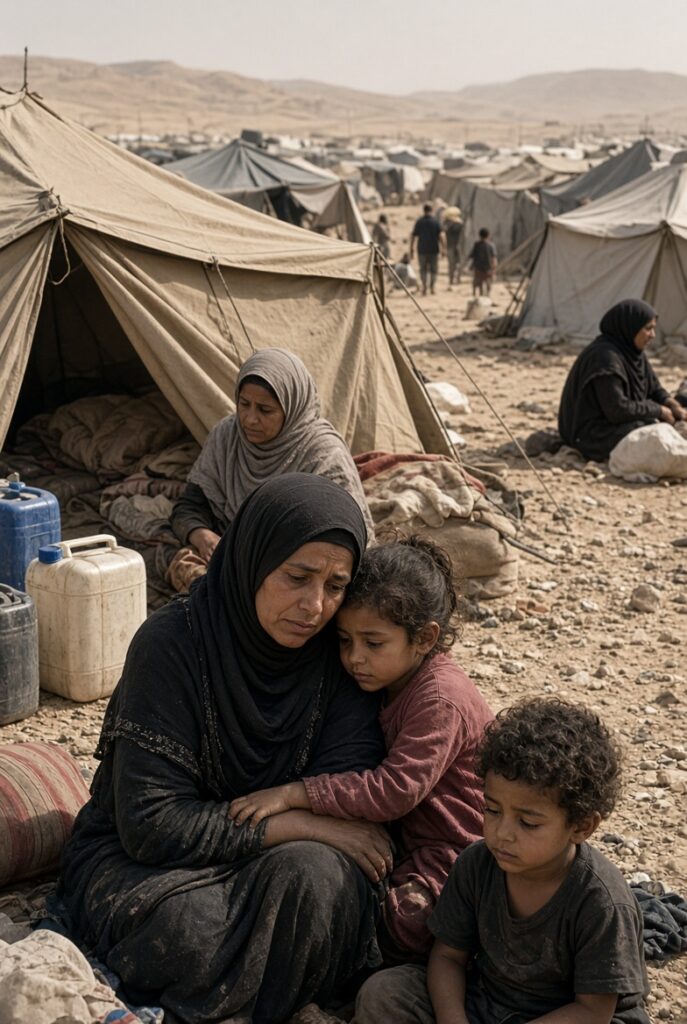
Libya’s Fragmented Governance and the Humanitarian Cost of Renewed Localised Conflict
Localised fighting in western and southern Libya intensified in the second half of 2025, particularly around key oil facilities and migration routes. Clashes between rival armed groups disrupted civilian movement…

ABOUT
The 4Rs (repatriation, reintegration, rehabilitation and reconstruction) is a comprehensive approach to addressing the needs of communities and individuals affected by conflict, displacement, and disaster. This holistic approach focuses on restoring dignity, rights, and security to those who have been affected.
Repatriation refers to the process of returning individuals to their place of origin or resettlement. Reintegration focuses on helping individuals and communities transition back into their former homes and communities. Rehabilitation encompasses the physical and psychological support required for individuals to heal and recover from the traumatic effects of conflict or displacement. Reconstruction focuses on rebuilding homes, communities, and infrastructure to ensure sustainable and resilient recovery.
The 4Rs approach recognizes the interdependence of these elements and emphasizes the importance of a coordinated and integrated response. By prioritizing the needs of affected communities, the 4Rs approach ensures that recovery and reconstruction efforts are guided by those who are most affected.
Our website is dedicated to providing information and resources on the 4Rs approach, sharing best practices and success stories, and promoting a greater understanding of the importance of this approach in addressing the needs of conflict-affected communities and individuals.
CAUSES
Our organization is dedicated to addressing the ongoing crisis affecting Syrian refugees and displaced people around the world. We focus on several key causes to bring relief and hope to those in need, including: causes of Conflict, Displacement, and Disaster.
Conflict, displacement, and disaster can have devastating effects on communities and individuals. These events can be caused by a range of factors, including political and economic instability, natural disasters, and climate change.
Political instability and violence can lead to conflict and displacement, as individuals are forced to flee their homes due to safety concerns. Economic factors, such as poverty and inequality, can also contribute to conflict and displacement. Natural disasters, such as earthquakes, hurricanes, and tsunamis, can cause widespread damage and displacement, leaving communities vulnerable and in need of support. Climate change is also a growing cause of displacement, as rising sea levels and increasingly frequent and intense natural disasters displace communities and disrupt livelihoods.
Regardless of the cause, the impact of conflict, displacement, and disaster can be long-lasting and wide-ranging. The 4Rs approach seeks to address the needs of affected communities and individuals and promote sustainable recovery and reconstruction.
CAMPAIGNS
Our organization is committed to raising awareness and promoting action on the 4Rs approach. Through various campaigns and events, we aim to engage communities, governments, and stakeholders in the efforts to address the needs of those affected by conflict, displacement, and disaster.
Some of our past campaigns and events include:
Return with Dignity
Reintegration Roadmap
Healing Through Rehabilitation
Through these campaigns and events, we aim to build momentum and support for the 4Rs approach, and to promote a greater understanding of the importance of this holistic approach in addressing the needs of conflict-affected communities and individuals.
Provide a helping hand
UNDERSTANDING THE 4R
Repatriation
Repatriation is the process of returning a person to their home country, especially refugees or displaced persons who have fled or been expelled from their home country due to war, conflict, persecution, or other reasons. It involves providing support and assistance to ensure their safe, dignified, and sustainable return and reintegration into their home communities. In the context of humanitarian work, repatriation is often facilitated by humanitarian organizations to help restore the rights and well-being of refugees and support their transition back to normal life.
Reintegration
Reintegration is the process of integrating a person or group of people back into society after they have experienced displacement or migration. In the context of humanitarian work, reintegration refers to the process of supporting refugees or other displaced persons in their transition back to normal life in their home communities. This process includes helping them regain their livelihoods, access to basic services, and social networks, as well as promoting their physical and psychological well-being. The goal of reintegration is to help refugees achieve self-sufficiency and to support the sustainable return and integration of refugees into their communities.
Rehabilitation
Rehabilitation refers to the process of restoring a person’s physical, psychological, social, and vocational abilities to their optimal level, following injury, illness, or disability. In the context of humanitarian work, rehabilitation refers to providing support to people who have experienced conflict, displacement, or other forms of trauma to help them recover their abilities and regain independence. This may include providing medical care and treatment, psychosocial support, education and training, and other forms of assistance to help individuals rebuild their lives. The goal of rehabilitation in the humanitarian context is to help individuals affected by conflict or disaster to regain their health, dignity, and ability to participate in society.
Reconstruction
Reconstruction refers to the process of rebuilding or restoring something that has been damaged, destroyed, or disrupted. In the context of humanitarian work, reconstruction refers to the process of restoring infrastructure, housing, and essential services in communities affected by conflict, natural disaster, or other forms of crisis. This can involve repairing or rebuilding homes, schools, health facilities, and other critical infrastructure, as well as providing essential services such as water, sanitation, and electricity. The goal of reconstruction in the humanitarian context is to help communities affected by crisis to return to a state of normalcy, improve their living conditions, and support their long-term recovery and development.
Safety4Everyone
Pilot Project for a Safer Online Environment
As a humanitarian organization, we are currently exploring a new research direction focused on online environments and extremist content through Safety4Everyone, a pilot project designed to explore how online content can be researched, documented and analyzed.
At this stage, our goal is to test new approaches, develop practical research methods and gradually build a small, multidisciplinary network of collaborators interested in this field.
We Are Looking for Collaborators
The project is open to students and early-career individuals who are interested in online environments, research, security and the analysis of contemporary social phenomena.
Previous professional experience is an advantage, but not a requirement.
We are primarily looking for people who are curious, responsible, detail-oriented and willing to learn.
Backgrounds in areas such as OSINT, cybersecurity, social media analysis, political science, international relations, sociology, linguistics, communications, computer science or related fields are welcome, but no specific academic background is required.
What Would You Do?
Depending on the project and your level of experience, activities may include:
• researching publicly available online sources;
• documenting and organizing relevant information;
• identifying and analyzing online trends and patterns;
• examining narratives and how they circulate in digital spaces;
• contributing to research reports and other materials;
• helping develop and improve the project’s research methodology.
You are not expected to be an expert when you join us. Safety4Everyone is also intended as a learning opportunity, and guidance will be provided throughout the project.
Remote & Flexible
The collaboration is fully remote, allowing you to participate regardless of where you are located.
The work is designed to be flexible and can be carried out alongside your studies or other commitments. Depending on the stage of the project, collaboration may be occasional or ongoing.
Paid Freelance Collaboration
Participation in Safety4Everyone is offered on a paid freelance basis, depending on the type of activities, responsibilities and workload involved.
For us, Safety4Everyone is an opportunity to explore a new research direction and build a multidisciplinary team. For collaborators, it can be an opportunity to gain practical experience, develop new skills and contribute to a project from its pilot stage.
If you are a student, early-career professional, researcher, or simply curious about this field, we would be happy to hear from you. Experience is an advantage — not a requirement.
