
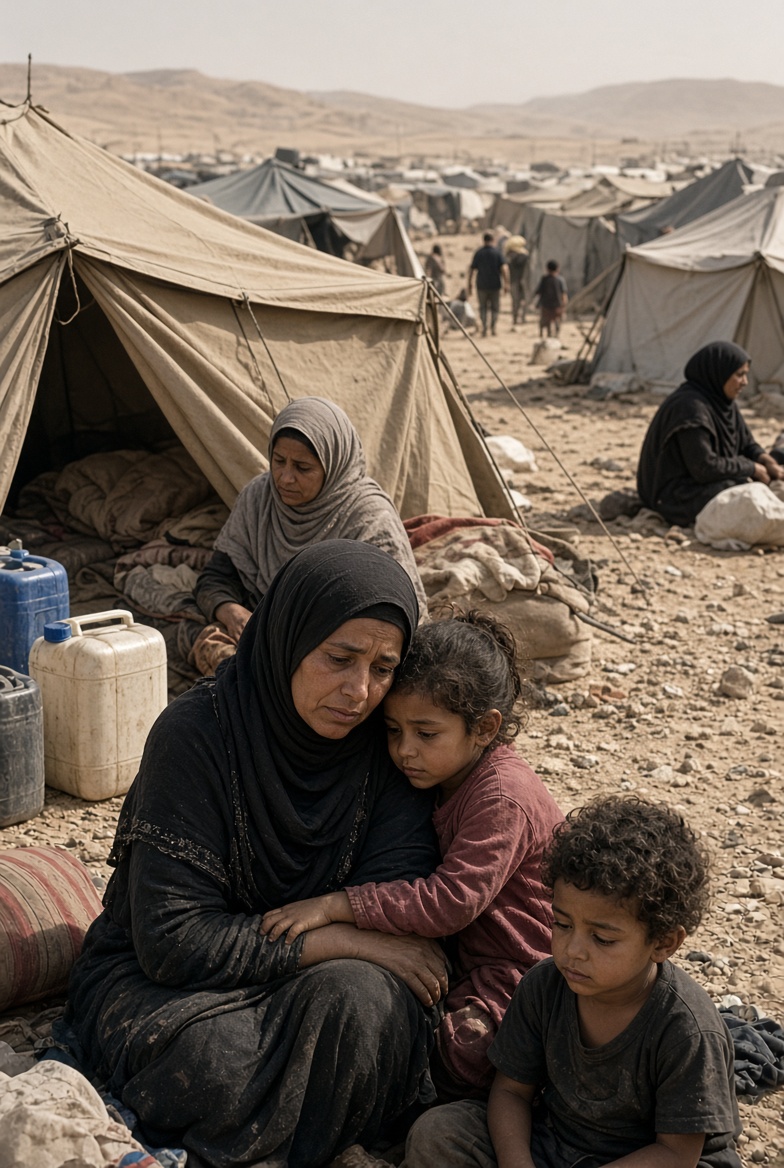
Localised fighting in western and southern Libya intensified in the second half of 2025, particularly around key oil facilities and migration routes. Clashes between rival armed groups disrupted civilian movement and restricted access for humanitarian organisations in several municipalities. Displacement, though smaller in scale than in previous years, added pressure to already fragile host communities.
Migrant and refugee populations stranded in detention centres or informal settlements faced heightened protection risks, including arbitrary detention and limited access to medical care. Basic service delivery—water, electricity, and primary healthcare—remained highly uneven across the country, reflecting the absence of unified national institutions.
Geopolitically, the episode underscored how external backing of competing Libyan factions continued to perpetuate low-intensity conflict. The resulting insecurity complicated both humanitarian operations and efforts to manage irregular migration flows across the central Mediterranean, linking North African instability directly to European policy debates.